
How Outsourced Bookkeeping Saves US Small Businesses Up to 60% on Overhead
An in-depth guide for entrepreneurs, startups, and growing businesses
Introduction
Running a small business in the United States is more expensive than ever. Rising labor costs, increasing compliance requirements, payroll taxes, employee benefits, software subscriptions, and office expenses all contribute to growing operational overhead.
For many small businesses, maintaining an in-house bookkeeping department is no longer the most cost-effective option. Instead, companies are increasingly turning to outsourced bookkeeping services that provide professional financial management at a fraction of the cost.
According to industry research, businesses that outsource bookkeeping and accounting functions can reduce related operational costs by 30% to 60%, while also improving financial accuracy, compliance, and decision-making.
This article explores how outsourced bookkeeping works, where the savings come from, and why thousands of US businesses are making the switch.
What Is Outsourced Bookkeeping?

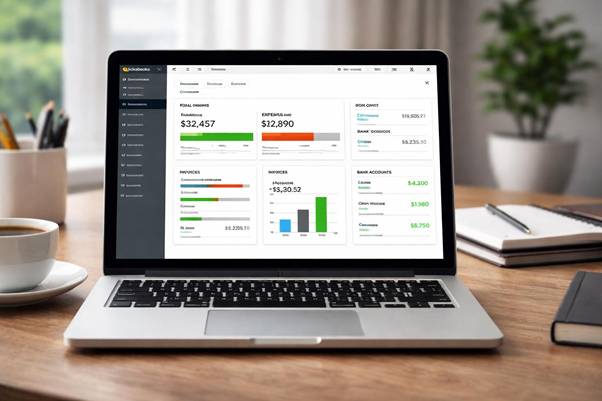
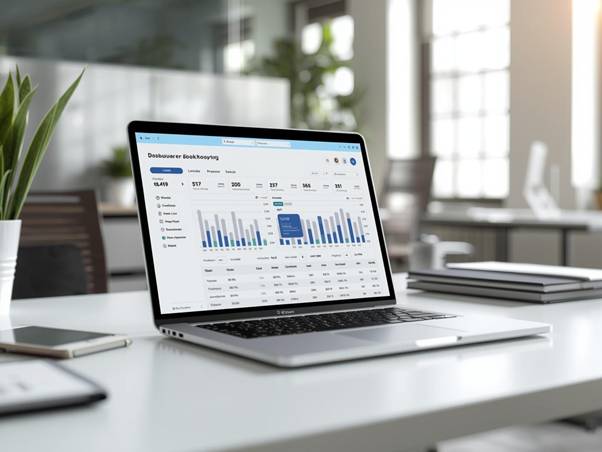

Outsourced bookkeeping is the practice of hiring an external accounting firm or remote bookkeeping company to manage your financial records instead of employing an in-house bookkeeper.
Typical bookkeeping services include:
- Recording daily transactions
- Bank and credit card reconciliation
- Accounts payable
- Accounts receivable
- Payroll support
- Financial reporting
- Tax-ready bookkeeping
- Cash flow management
- QuickBooks or Xero management
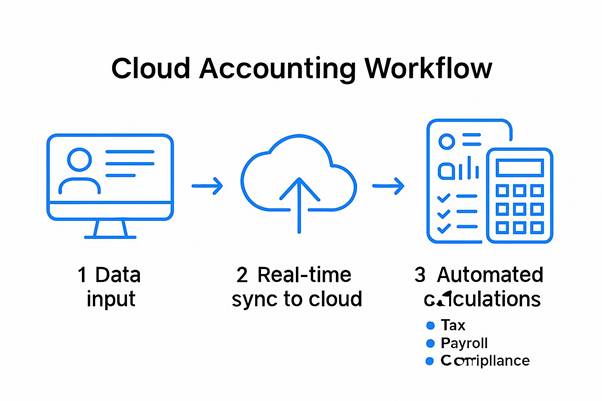
Modern bookkeeping firms work entirely online using secure cloud accounting software, allowing business owners to access financial reports anytime.
Why In-House Bookkeeping Is Expensive
Many business owners only consider salary when hiring a bookkeeper.
However, the actual annual cost is much higher.
Typical Annual Cost of an In-House Bookkeeper
| Expense | Estimated Cost |
| Salary | $50,000 |
| Payroll Taxes | $4,000 |
| Health Insurance | $7,000 |
| Retirement Benefits | $2,500 |
| Paid Leave | $2,500 |
| Office Space | $3,000 |
| Equipment | $2,000 |
| Accounting Software | $1,500 |
| Training | $2,000 |
| Total Annual Cost | $74,500 |
A business paying a $50,000 salary often spends $70,000–$80,000 annually after all employment costs are included.
Outsourcing vs In-House Cost Comparison
A professional outsourced bookkeeping firm may cost between $500 and $2,500 per month, depending on business size and transaction volume.
| Option | Annual Cost |
| In-house Bookkeeper | $74,500 |
| Outsourced Bookkeeping | $30,000 |
| Potential Savings | ≈60% |
Where the Savings Come From
1. No Employee Benefits
When outsourcing, businesses eliminate expenses such as:
- Health insurance
- Paid vacations
- Sick leave
- Retirement contributions
- Bonuses
- Workers’ compensation
- Payroll taxes
These savings alone often represent 20–30% of employment costs.
2. Lower Payroll Costs
Instead of paying one employee for 40 hours every week, companies only pay for the bookkeeping services they actually need.
A startup with 150 monthly transactions doesn’t require a full-time accountant.
3. Reduced Software Costs
Professional bookkeeping firms already own enterprise accounting tools such as:
- QuickBooks Online
- Xero
- Bill.com
- Gusto
- Expensify
- Dext
Clients benefit from these platforms without purchasing separate licenses in many service arrangements.
4. Eliminate Office Expenses
Remote bookkeeping removes costs related to:
- Office furniture
- Computers
- Printers
- Internet
- Utilities
- Workspace
5. Fewer Costly Errors


Bookkeeping mistakes can lead to:
- IRS penalties
- Missed tax deductions
- Duplicate payments
- Incorrect payroll
- Cash flow issues
Experienced bookkeeping firms follow standardized processes and quality controls, helping reduce expensive errors.
Additional Business Benefits
Better Cash Flow Management
Accurate bookkeeping helps business owners:
- Monitor incoming payments
- Track outstanding invoices
- Manage expenses
- Forecast cash flow
- Avoid liquidity shortages
Better Financial Reporting
Professional bookkeeping delivers reports such as:
- Profit & Loss Statement
- Balance Sheet
- Cash Flow Statement
- Accounts Receivable Aging
- Accounts Payable Aging
These reports support faster, better-informed business decisions.
Easier Tax Preparation
Tax season becomes far less stressful when financial records are organized throughout the year.
Benefits include:
- Faster tax filing
- Fewer accountant hours
- Better documentation
- Reduced audit risk
- Identification of potential deductions
Access to Experienced Professionals
Instead of relying on one employee, outsourcing often provides access to a team with expertise in:
- Payroll
- Sales tax
- Financial reporting
- Compliance
- Industry-specific bookkeeping
Which Businesses Benefit Most?
Outsourced bookkeeping is especially valuable for:
- Startups
- E-commerce stores
- Marketing agencies
- Construction companies
- Medical practices
- Law firms
- Restaurants
- Retail businesses
- IT companies
- Real estate firms
- Nonprofits
Common Misconceptions
“Outsourcing means losing control.”
Cloud accounting software gives business owners real-time access to financial data and reports, often improving visibility rather than reducing it.
“Only large businesses outsource.”
Many bookkeeping providers specialize in startups and small businesses with affordable monthly plans.
“My data won’t be secure.”
Reputable firms use encrypted cloud platforms, multi-factor authentication, secure backups, and role-based access controls to protect client information.
Example Savings Scenario
A small marketing agency currently employs:
- One full-time bookkeeper
- Salary: $55,000
- Total employment cost: $78,000
After outsourcing:
- Monthly bookkeeping package: $2,400
- Annual cost: $28,800
Annual savings:
- Previous cost: $78,000
- New cost: $28,800
- Savings: $49,200 (≈63%)
Choosing the Right Outsourced Bookkeeping Partner
Look for a provider that offers:
- Certified bookkeepers
- Experience with US accounting standards
- QuickBooks or Xero expertise
- Secure cloud technology
- Transparent pricing
- Responsive customer support
- Scalable service plans
- Monthly financial reporting
Best Practices for a Successful Transition
To maximize the benefits:
- Define the services you need.
- Organize historical financial records.
- Choose cloud-based accounting software.
- Establish communication and reporting schedules.
- Review monthly financial statements.
- Measure savings and process improvements regularly.
Conclusion
Outsourced bookkeeping has become a strategic solution for US small businesses seeking to reduce overhead without compromising financial quality.
By eliminating employment-related expenses, reducing software and office costs, improving accuracy, and providing access to experienced professionals, outsourcing can lower bookkeeping-related costs by up to 60% for many organizations.
Beyond the financial savings, business owners gain better visibility into their finances, improved compliance, and more time to focus on serving customers and growing their business.
For companies aiming to operate leaner and scale more efficiently, outsourced bookkeeping is no longer just a cost-cutting measure—it is a smart investment in long-term financial health.
Annual bookkeeping cost comparison
Illustrative comparison for a typical US small business.
| option | cost |
| In-house | 74,500 |
| Outsourced | 30,000 |